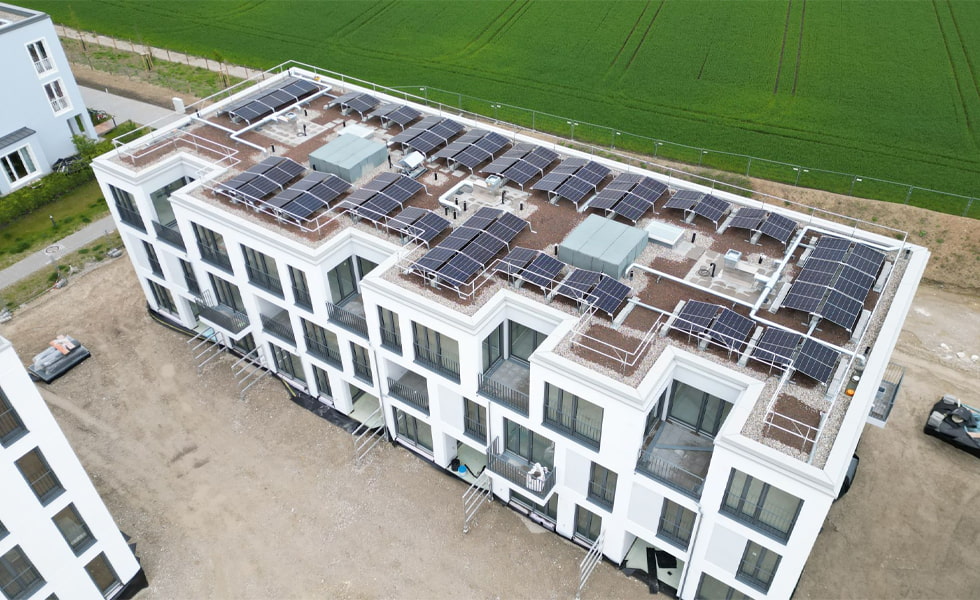
As the global demand for renewable energy continues to rise, photovoltaic (PV) technology has become a cornerstone of sustainable energy solutions. By 2025, TOPCon (Tunnel Oxide Passivated Contact) photovoltaic modules are expected to play a pivotal role in energy storage systems, offering distinct advantages over traditional P-type solar panles. This article explores the key benefits of TOPCon solar panels in energy storage applications.
1. Higher Efficiency
TOPCon modules are renowned for their superior efficiency compared to P-type modules. The advanced cell architecture of TOPCon, which includes a thin tunnel oxide layer and a doped polysilicon layer, minimizes carrier recombination and enhances electron capture. This results in higher energy conversion rates, making TOPCon modules more effective in generating electricity under the same sunlight conditions. In energy storage systems, this higher efficiency translates to greater energy yield and improved system performance.
2. Better Temperature Coefficient
One of the standout features of TOPCon modules is their lower temperature coefficient. Unlike P-type modules, which experience significant efficiency losses at higher temperatures, TOPCon modules maintain their performance more effectively in hot climates. This characteristic is particularly beneficial for energy storage systems, as it ensures consistent energy output even in challenging environmental conditions, thereby enhancing the reliability and stability of the system.
3. Longer Lifespan and Durability
TOPCon modules exhibit enhanced durability and a longer operational lifespan compared to P-type modules. The passivation layers in TOPCon cells reduce degradation over time, ensuring that the modules retain a higher percentage of their initial efficiency throughout their lifecycle. This longevity is crucial for energy storage systems, where long-term performance and reduced maintenance costs are key considerations.
4. Improved Low-Light Performance
Energy storage systems often need to operate under varying light conditions, including low-light environments. TOPCon modules demonstrate superior performance in low-light conditions compared to P-type modules. This improved low-light efficiency ensures that energy storage systems can continue to generate and store energy even during overcast or early morning/late afternoon periods, maximizing energy capture throughout the day.
5. Enhanced Bifaciality
TOPCon technology lends itself well to bifacial modules, which can capture sunlight on both the front and rear sides of the panel. This bifacial capability allows for additional energy generation from reflected light, further boosting the overall energy yield. In energy storage systems, this means more energy can be stored and utilized, enhancing the system's overall efficiency and effectiveness.
6. Reduced LID and LeTID Effects
Light-Induced Degradation (LID) and Light and Elevated Temperature-Induced Degradation (LeTID) are common issues in P-type modules, leading to efficiency losses over time. TOPCon modules, with their N-type silicon base, are inherently less susceptible to these degradation mechanisms. This resistance ensures that TOPCon modules maintain their high performance over extended periods, providing a more reliable energy source for storage systems.
By 2025, TOPCon photovoltaic modules are set to revolutionize energy storage systems with their superior efficiency, better temperature performance, longer lifespan, improved low-light capabilities, enhanced bifaciality, and reduced degradation effects. These advantages make TOPCon modules a more robust and reliable choice for energy storage applications, ensuring higher energy yields, greater system stability, and lower long-term costs. As the renewable energy landscape continues to evolve, TOPCon technology will undoubtedly play a crucial role in driving the transition towards a more sustainable and efficient energy future.