In January and February 2026, prices for several solar photovoltaic (PV) module technologies in Europe all increased, reflecting market confidence in the stability of the European solar market.
This is a key finding of the latest pv.index report on European solar procurement trends from sun.store, which covers data up to February 2026. The average price of TOPCon and monofacial TOPCon solar panels increased by 10% and 9% month-on-month, respectively, while the prices of all-black and back-contact modules increased by 8% and 7% respectively from January to February.
This is the first time the average price of all four technology types has exceeded €0.1/Wp (US$0.12/Wp) since sun.store began tracking price data for these technology types. Monofacial TOPCon is the most expensive module type, with an average price of €0.109/Wp, marking the first time these modules have exceeded €0.1/Wp since April 2025.
Bifacial TOPCon and all-black solar panels broke the €0.1/Wp threshold later. The only module type that didn't see a price increase was monofacial PERC solar panels, which remained stable at €0.077/Wp.
According to sun.store, this reflects increased market demand and confidence in what it calls "next-generation solutions," which the company says are "starting to gain stronger price support."
In its latest report, sun.store explains: "Bifacial TOPCon prices are now nearly 20% higher than their mid-2025 lows, highlighting the strengthening market position of next-generation module architectures." While the industry is shifting from PERC to technologies like TOPCon, and the market has confidence in these technologies, concerns remain about their long-term performance. Research from institutions such as the University of New South Wales, Rocky Mountain National Laboratory, and Fraunhofer ISE has highlighted issues with the technology's power degradation rate.
However, these concerns do not appear to be primary considerations for European buyers, as the February PV Purchasing Managers' Index (PMI), a metric sun.store uses to measure overall buyer sentiment in Europe, scored highly. According to a survey of 817 sun.store users, 51% of respondents expect to increase their purchases in the coming months, translating into a general optimism about European solar growth and a PV PMI of 69 points.
This is the same figure reported in January, and a significant increase of 7 percentage points from the low of 62 points reported in December 2025.
Brand popularity fluctuates again. In recent months, the popularity of various PV equipment brands in Europe has not been as stable as module prices. According to the sun.store report, JA Solar was the most popular module brand in Europe in February, rising from second place last month, while Trina Solar, the leader in January, moved to third place.
The report attributes this phenomenon to a state of "dynamic competition" among leading module manufacturers, following a disruptive price war in module prices in 2025 and the China Photovoltaic Industry Association's (CPIA) plan to introduce an era of "value competition" in the Chinese solar market.
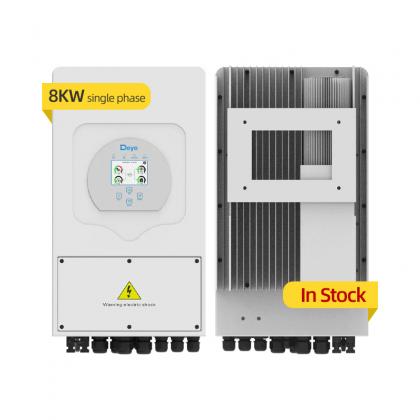
This uncertainty may be reflected in the price fluctuations of inverters in recent months. From January to February, the average price of 1-15kW hybrid inverters fell by 3%, while the price of larger hybrid inverters fell by 2%; in the previous month, prices for these products rose by 1% and remained flat, respectively.
The most popular inverter brands in Europe remained relatively stable, with Deye remaining the most popular hybrid inverter supplier in Europe for the third consecutive month. Meanwhile, since October 2025, Huawei and Sungrow have been the most popular and second most popular string inverter brands, respectively, each month.